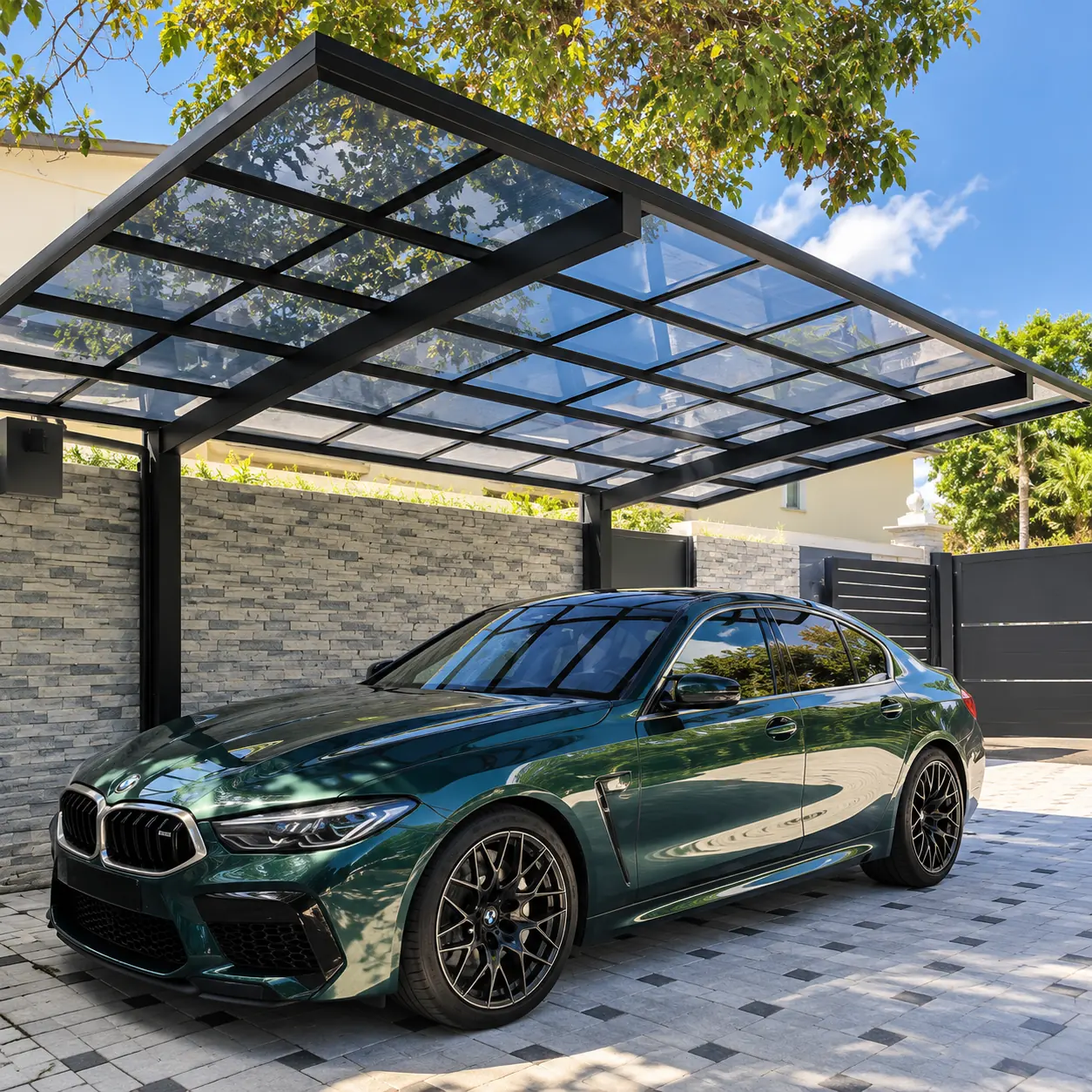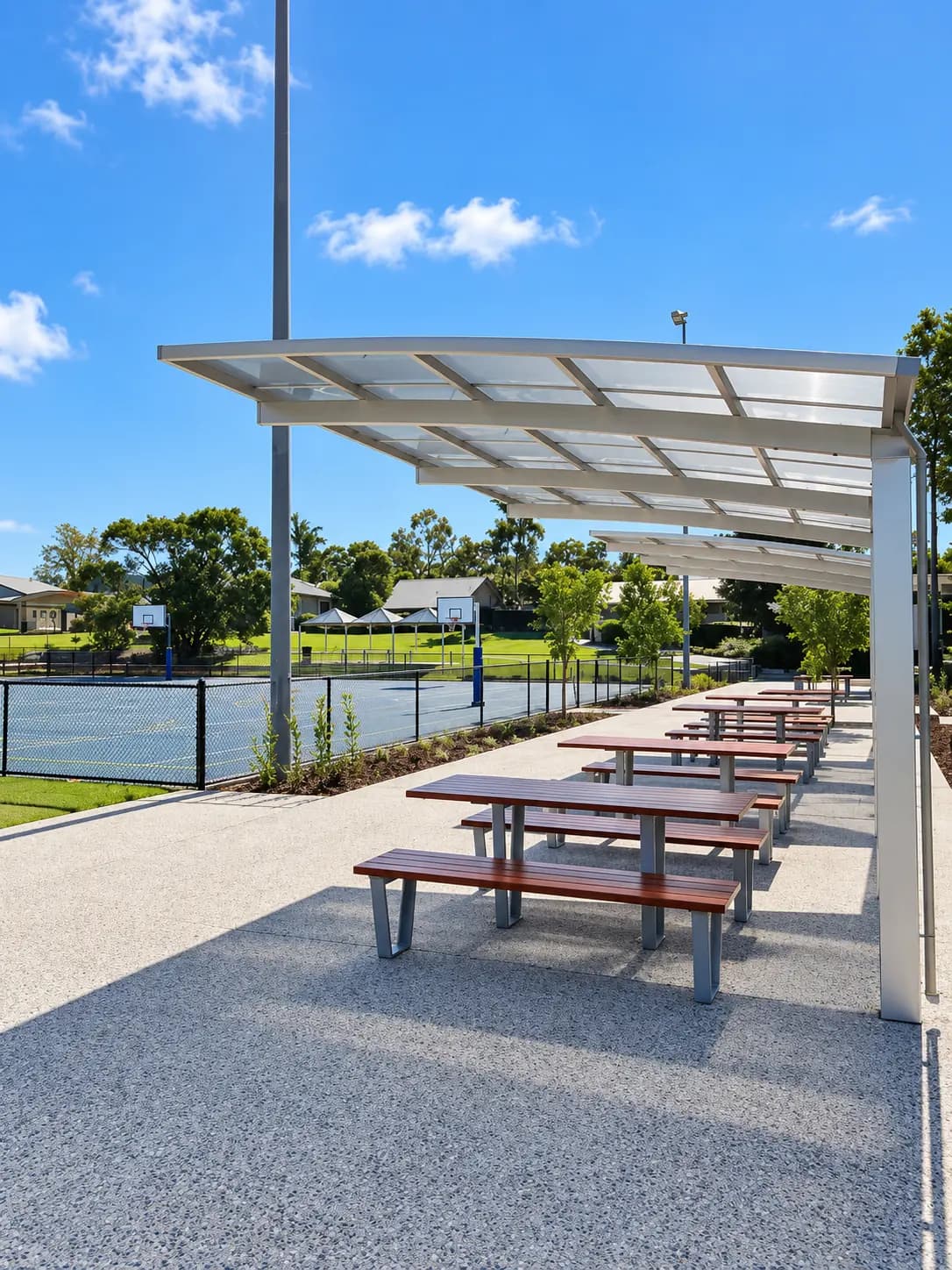

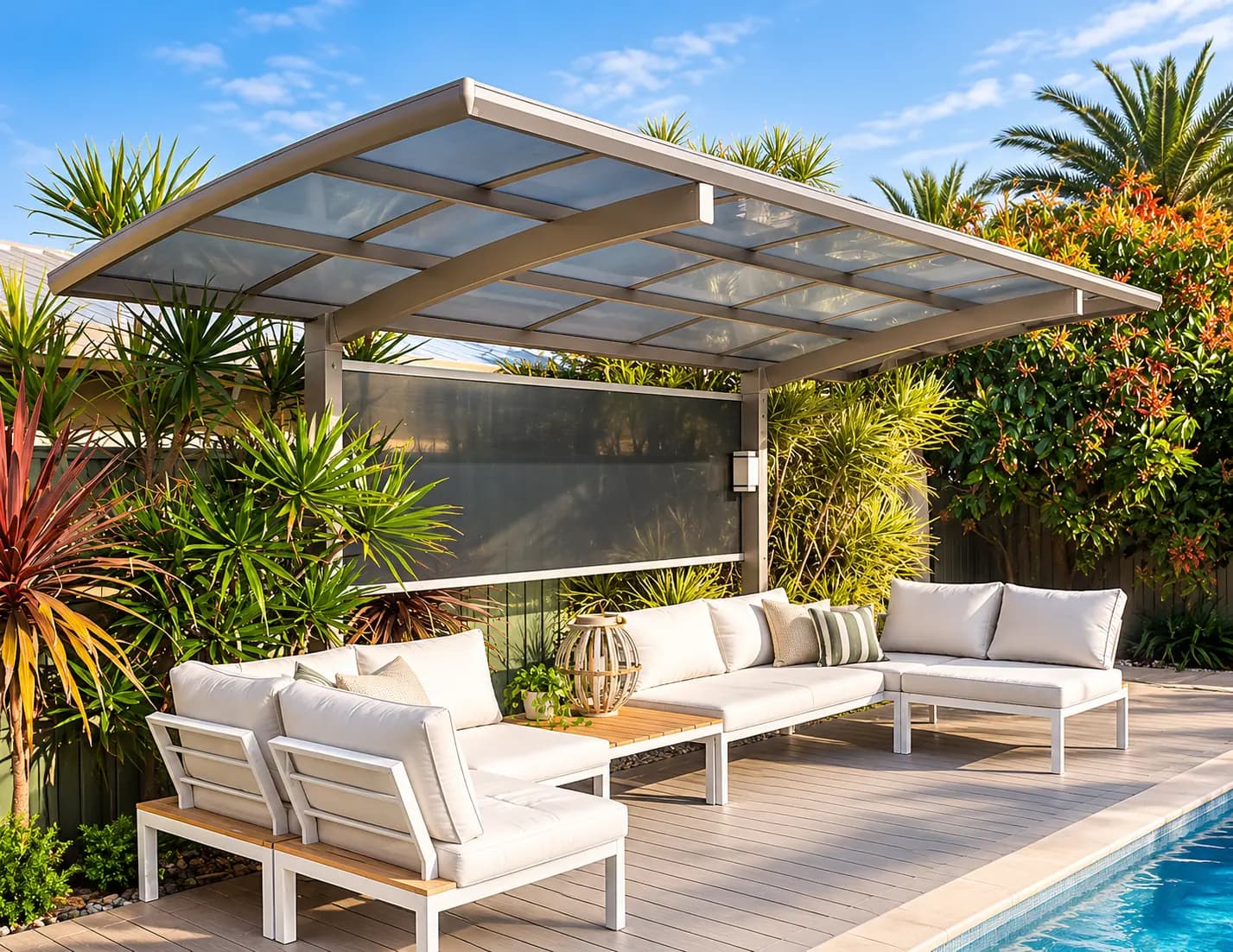
In Brisbane, an outdoor area without shade is an area you use for about two months of the year. Add a well-planned cover and the same space becomes somewhere you eat, relax and entertain nearly all year round. The trick is planning the shade around how you actually live, not just dropping a roof on the back of the house.
This guide walks through the key decisions for pool shade and patio covers, from sun direction to roof material, so you end up with a structure you will genuinely use.
Start with how you use the space
Before you think about materials, answer a few simple questions. They shape every other decision.
- ✓Is this for the pool, the patio, or both?
- ✓Do you want to supervise children in the pool from a shaded spot?
- ✓How many people do you entertain at a time?
- ✓Do you want an outdoor kitchen, lounge or dining table under cover?
- ✓Which hours of the day is the area hottest?
Work out where the sun actually goes
In Queensland, the afternoon western sun is usually the harshest. A cover that looks fine at midday can leave you in full sun at four o'clock. Walk the area at different times, or use our 3D design service to see how the shade falls across the day. Orienting the structure and choosing the roof height with the sun in mind makes more difference than almost any other decision.
Roof options: solid, glass, or filtered
The roof material changes the feel of the space and the amount of heat you keep out.
- ✓Solid or insulated roofing keeps rain and heat out and creates a true outdoor room
- ✓Glass or clear roofing keeps light bright and the space feeling open, with the benefit of rain protection
- ✓Filtered or louvred covers give dappled shade and airflow, good for pool areas where you want light and breeze
- ✓Mixed designs combine solid sections over dining areas with lighter coverage elsewhere
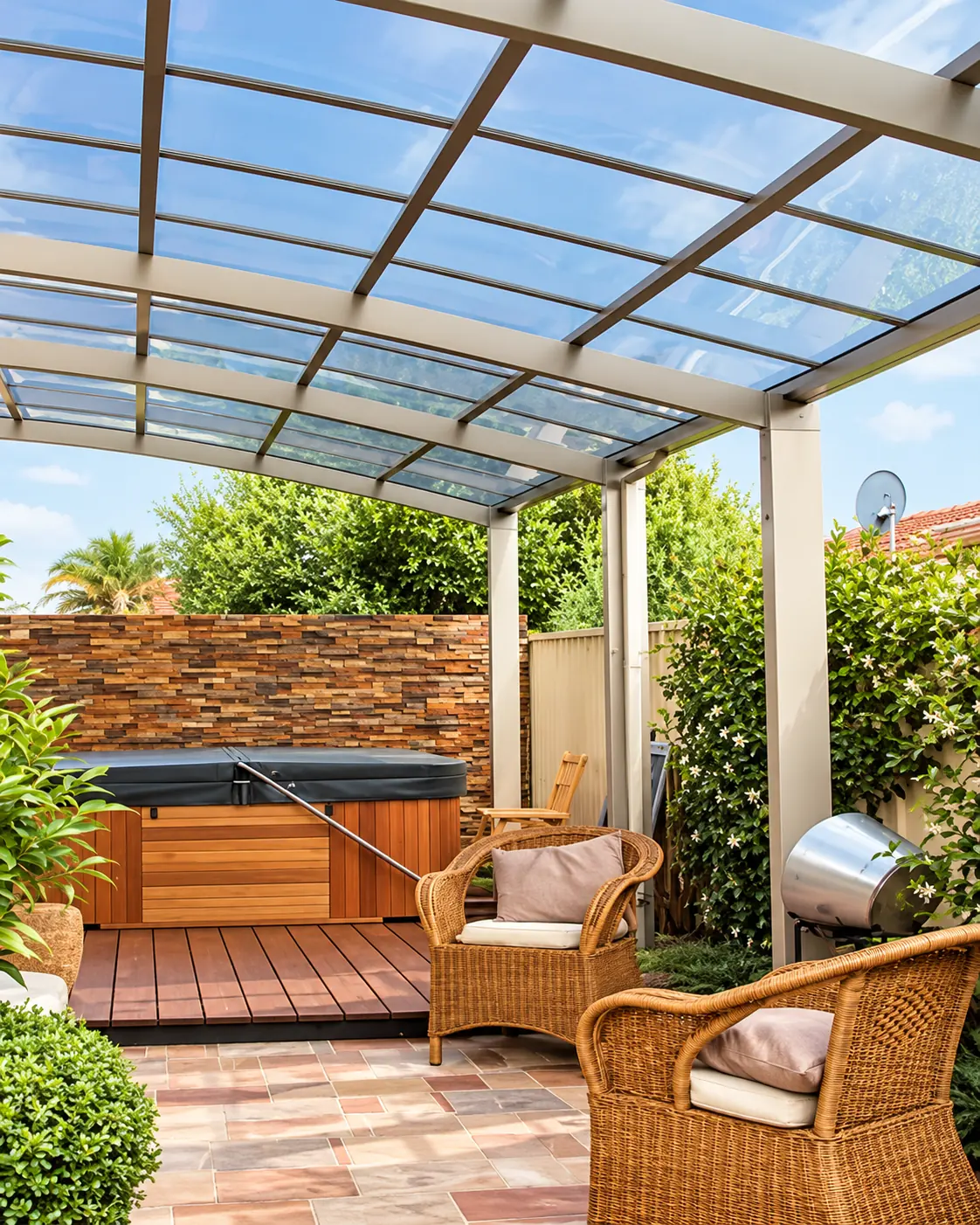
Pool shade: what to think about
Shading a pool is about more than comfort. It reduces UV exposure for swimmers, makes supervision more comfortable, and can reduce evaporation and keep the water cooler. Think about where people actually sit and where children play, rather than shading the water itself.
- ✓Position cover over lounging and supervision areas, not necessarily the entire pool
- ✓Keep posts clear of the pool fence and safety barriers
- ✓Plan for easy access around the structure for cleaning and maintenance
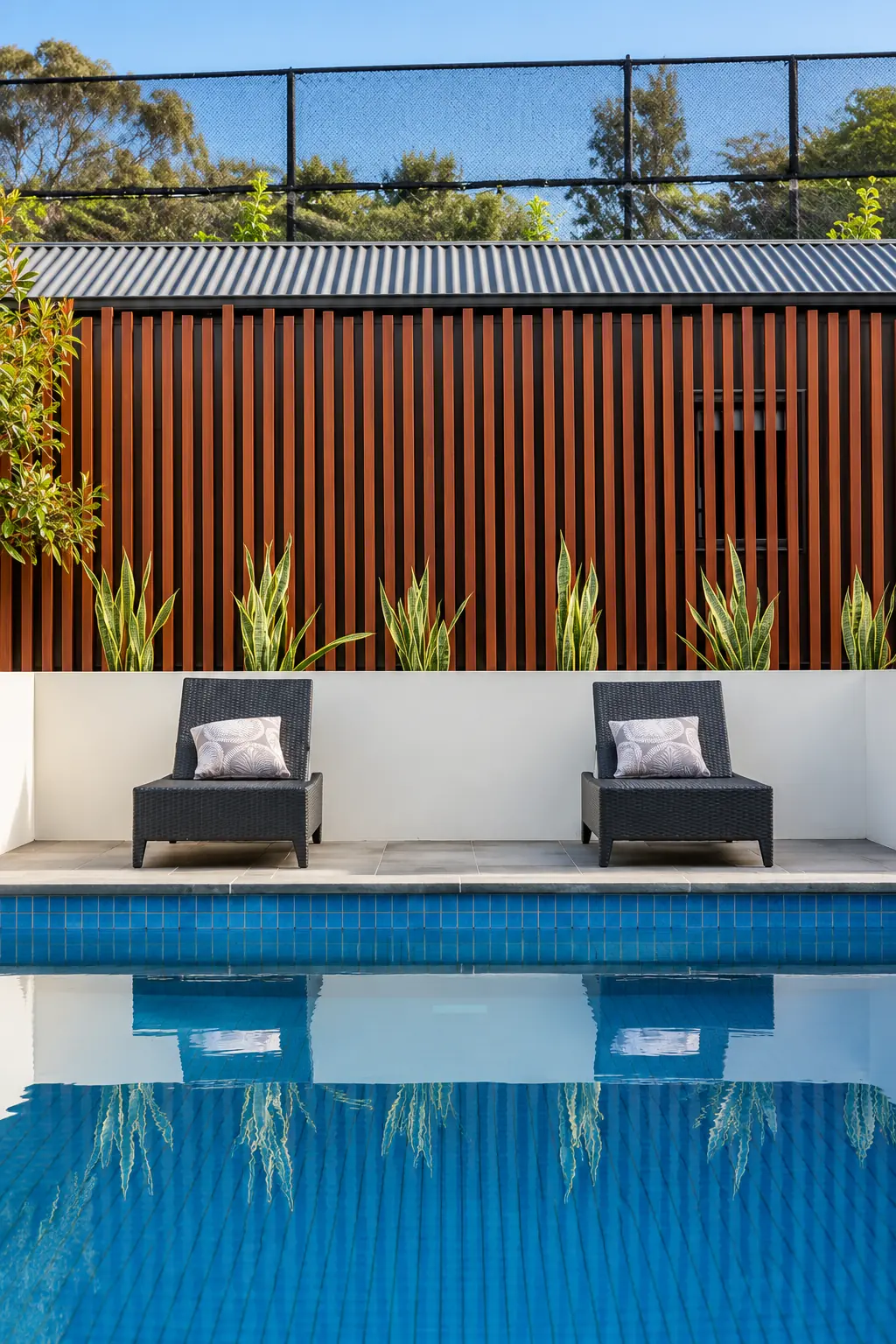
- ✓Consider screens or slats on the sunny side for privacy and wind control
- ✓Choose finishes that resist chlorine, salt and moisture
Design details that make the difference
Height and proportion
A taller structure feels more open and lets hot air rise away from you. Too low and the area can feel closed in. The right height depends on the house, so look at the roofline and neighbouring structures when planning.
Screens and slats
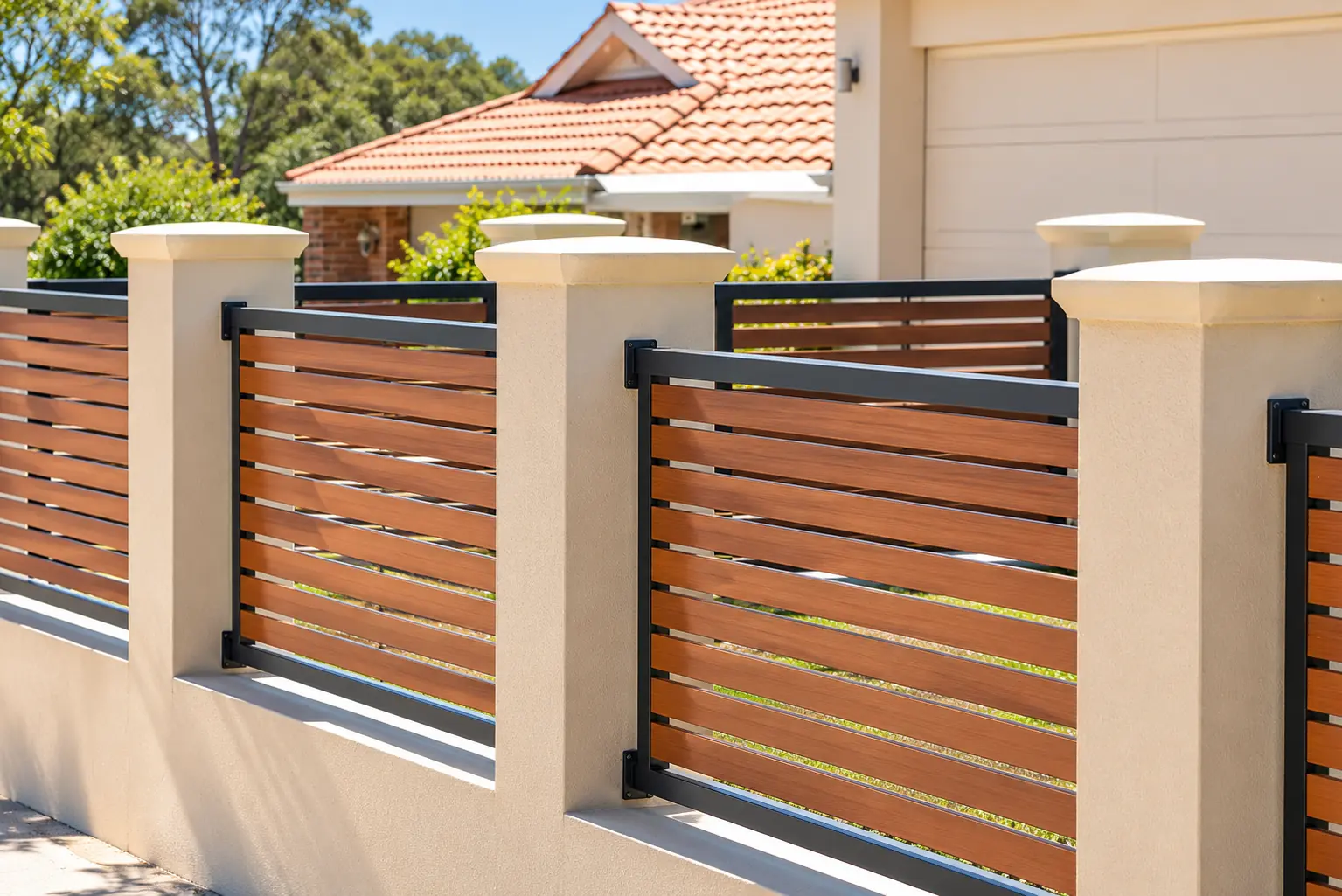
Adding a timber-look aluminium screen to one side blocks low sun and adds privacy from neighbours. Because Knotwood is aluminium, it suits wet pool environments without painting or oiling.
Lighting, fans and power
Plan wiring and lighting at the design stage. It is much easier to run cables and mount fans before the roof goes on. Good lighting extends the hours you can use the space well into the evening.
A practical planning checklist
- 1.Decide what you will use the space for and how many people
- 2.Check sun paths and wind at different times of day
- 3.Choose roof type: solid, glass or filtered
- 4.Plan screens, lighting and power early
- 5.Confirm approvals and engineering for your site
- 6.Ask for a 3D design so you can see the result before building
Not sure whether you need approval? Our guide to council approval for carports and shade structures explains the general rules.
Cantaport for pool and patio cover
Cantaport systems are designed for the Queensland climate and cover pools, cars, courts and patios. They can be supplied as DIY kits from $3,600 inc GST or fully installed by the IronCastle team across Brisbane, Bayside, the Gold Coast and Sunshine Coast.